Monopoly GO Reward Codes: A Practical 2026 Workflow for Finding Real Rewards
Monopoly GO reward codes sound simple until you actually try to use them. One post says there is a new code. Another shares a dice link from last week. A third sends you through a survey wall, a fake generator, or a Telegram group that exists mostly to harvest clicks.
Teams think the problem is finding more Monopoly GO reward codes. The real problem is building a repeatable way to separate live rewards from expired links, rumors, recycled screenshots, and risky account behavior.
That changes the conversation. This is not just a list-hunting problem. It is a workflow problem: source quality, verification, timing, device handling, claim tracking, and community hygiene. If you treat game rewards the same way good coupon hunters treat promo codes, you waste less time and avoid sharing bad information.
The practical question is not whether every code on the internet is real. It is how to decide which Monopoly GO reward codes are worth testing, which ones should be ignored, and how to keep your group from becoming a noise machine.
Table of contents
- Why Monopoly GO reward codes need a workflow
- Know the reward types before you hunt
- Build a source stack you can trust
- Verify Monopoly GO reward codes before you share
- Use reward codes with a repeatable claim process
- Compare reward codes against real savings
- What breaks when communities do this badly
- What works for deal hunters in 2026
- Where c0upons.com fits in the savings workflow
- Final checklist for Monopoly GO reward codes
Why Monopoly GO reward codes need a workflow
Reward codes are not one thing
The mistake teams make is treating every reward mention as the same kind of asset. In Monopoly GO discussions, players often use the phrase reward codes loosely. Sometimes they mean free dice links. Sometimes they mean event rewards. Sometimes they mean promo codes tied to a platform, an email, a partner campaign, or Tycoon Club activity. Sometimes they mean nothing at all, because the post is bait.
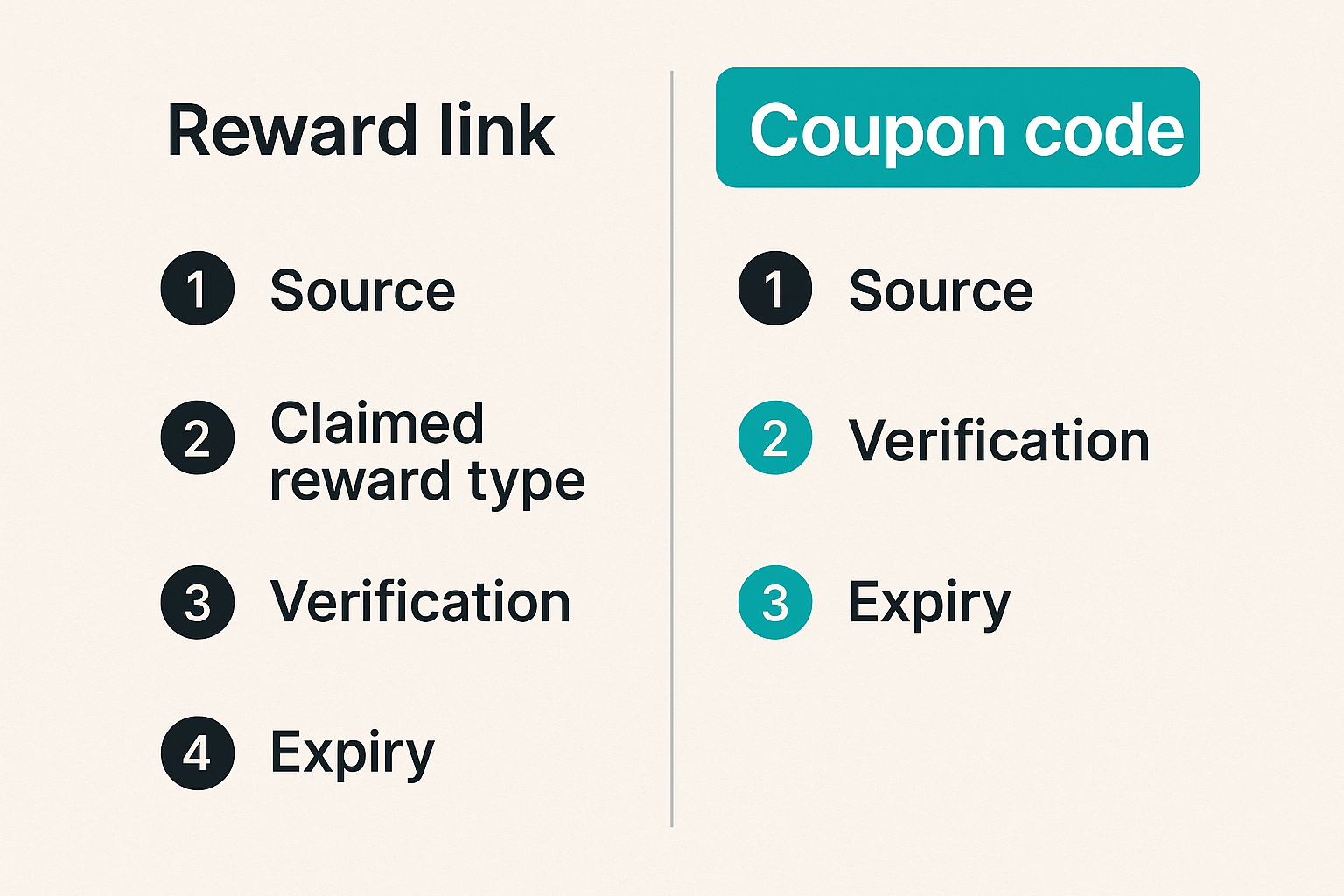
A useful way to think about it is this: a reward is only useful if you can answer four questions quickly.
- Where did it come from?
- What does it claim to unlock?
- Who is eligible to claim it?
- When does it expire or stop working?
If a post cannot answer those questions, it may still be real, but it is not ready to share broadly. It needs verification first.
Practical rule: Do not share a Monopoly GO reward code or link as confirmed until one real account has claimed it and recorded the result.
The cost is wasted clicks not just missed dice
Bad reward hunting looks harmless. It is only a link, only a quick test, only a few seconds. In practice, it adds up. A group chat can burn an evening on expired dice links. A coupon community can lose trust by posting recycled rewards. A player can get pushed toward sketchy pages that ask for game credentials, social logins, or personal information.
The problem is not scarcity. The problem is signal quality. Many players already know where to look. What they lack is a disciplined way to decide what deserves attention.
That is the same pattern deal hunters face with coupon codes. More codes do not automatically mean more savings. More unverified codes usually mean more checkout failures. For broader savings habits beyond games, the c0upons community blog covers practical deal workflows that use the same basic principle: verify before you broadcast.
Know the reward types before you hunt
Dice links and claim links
The most common Monopoly GO rewards are claim links. A player taps the link, the game opens, and the account either receives dice, cash, sticker packs, or another event-related item. These links are usually time-sensitive and often claim-limited. Once expired, they may still circulate for days because screenshots and reposts outlive the reward window.
What breaks in practice is that people save the link without saving the context. A link posted on Monday may be useless by Tuesday. A link that works for one player may not work for another if it is region-limited, account-limited, or already claimed.
For these, your verification notes should include:
- Date and time found
- Source
- Claimed reward type
- Whether the game opened correctly
- Whether a reward was actually added
- Whether other users confirmed it
Promo codes and Tycoon Club offers
Promo codes are different from claim links. They usually require an input field, account portal, partner page, or special promotion flow. Tycoon Club offers can also create confusion because players may refer to rewards, spins, gifts, and codes in the same sentence.
The practical question is whether the reward requires you to leave the normal game flow. If it does, slow down. Check the domain, the login requirement, and whether the source is official. A real promotion should not require your password in a random form or ask you to install an unrelated app to unlock dice.
Store bundles and platform deals
Some players also treat in-app purchase discounts as reward codes. That is not always wrong, but it is a different category. App Store, Google Play, web store, gift card, and payment promotions may reduce the cost of buying packs, but they are not the same as free rewards.
Here is the clean way to separate the categories:
| Reward type | Common format | Main risk | Best verification method |
|---|---|---|---|
| Dice link | Tap to open game | Expired or already claimed | Test on one account and log result |
| Promo code | Enter code in portal or field | Fake generator or phishing | Confirm official source and domain |
| Tycoon Club reward | Account-based offer | Eligibility confusion | Check account status and reward history |
| Platform deal | Store or payment discount | Mistaking spend for savings | Compare net price before buying |
| Community tip | Screenshot or repost | Missing context | Ask for source, timestamp, and proof |
Build a source stack you can trust
Official channels first
Start with official channels because they reduce ambiguity. That does not mean every useful reward comes only from official posts, but official sources give you the cleanest baseline. Look for announcements from the game publisher, in-game messages, official social accounts, newsletters, and recognized portals.
The mistake teams make is starting with the loudest source instead of the most accountable source. A viral post is not a source. It is a distribution event. You still need to know where the reward began.
A simple source stack looks like this:
- Official game and publisher channels
- In-game messages and account portals
- Known community moderators or long-running reward trackers
- Player reports with screenshots and timestamps
- Random reposts, only after confirmation
Practical rule: Source order matters. Test rewards from accountable sources first and treat anonymous reposts as unverified until proven otherwise.
Community sources second
Community sources are useful because they move fast. A large player base can spot new Monopoly GO reward codes faster than any single person. But speed creates duplicates, stale links, and confusion. The goal is not to avoid community posts. The goal is to structure them.
Ask community members to share three things with every reward:
- The original source or earliest source they saw
- The time they claimed it
- The result they received
If someone only posts a cropped screenshot with no timestamp, it belongs in the unverified bucket. If five users confirm the same link within a short window, it can move to confirmed.
Adjacent workflow lessons
Reward hunting has more in common with operations work than most shoppers expect. You are routing signals, checking trust, assigning ownership, and closing the loop when something fails. Related reading from our network: AI agents asks and offers in local networks is about a different domain, but the same lesson applies here: a network without routing and follow-up turns into noise.
For Monopoly GO, routing means deciding where new reward reports go, who verifies them, and when they get marked expired. Without that, your group becomes a feed of half-true claims.
Verify Monopoly GO reward codes before you share
Check freshness and one time limits
Freshness is the first filter. A reward code found today is not automatically current. Check the first-seen time, not just the repost time. Search the exact wording. If every result points back to an older post, you are probably looking at a recycled link.
One-time limits matter too. Many rewards can be claimed once per account. If a user says a link does not work, it may be because they already claimed it. That does not make the link fake. It means your verification process needs more than one data point.
Use a status label instead of a vague comment:
- Confirmed working
- Working for some accounts
- Already claimed by tester
- Expired
- Source unknown
- Risky or unsafe
Avoid account risk and fake generators
Any page promising unlimited dice, guaranteed rare stickers, hacked rewards, or secret Monopoly GO reward codes should be treated as unsafe. The same goes for forms that request your game login, social account credentials, device details, payment information, or verification through unrelated offers.
What breaks in practice is urgency. Players want dice before an event ends, so they click faster than they think. Scammers design around that urgency.
Practical rule: A reward that requires your password, payment card, or unrelated app install is not a reward workflow. It is a risk workflow.
Related reading from our network: AI agents GitHub Actions security is written for software teams, but the security lesson transfers cleanly: do not give powerful access to an untrusted workflow just because it promises automation or speed.
Keep a simple claim log
You do not need a complicated database. A shared note, spreadsheet, or pinned thread works. The point is to preserve context so the same expired link does not get tested ten times.
Use columns like:
- Reward name or short label
- Link or code
- Source
- First seen
- Last tested
- Tested by
- Result
- Notes
A basic row might look like this:
| Field | Example entry |
|---|---|
| Label | June dice link 1 |
| Source | Official social post |
| First seen | 2026-06-09 09:15 |
| Last tested | 2026-06-09 09:25 |
| Result | Confirmed working |
| Notes | 25 dice, claimed on iOS |
The value is not the spreadsheet itself. The value is preventing repeated low-quality work.
Use reward codes with a repeatable claim process
Prepare the account and device
Before testing Monopoly GO reward codes, make sure the account is stable. Open the game first. Confirm it loads correctly. Check that you are signed into the account you intend to use. If you manage multiple devices in a household, do not test the same reward across accounts without tracking which account claimed it.
This matters because reward failures are often misdiagnosed. A link may fail because the app was not updated, the browser opened the wrong profile, the account already claimed it, or the device blocked the app redirect.
Claim test and record
Use a standard sequence. It keeps the process clean and makes your reports more useful.
- Open Monopoly GO and confirm the target account.
- Copy the reward link or code from the best available source.
- Check the source timestamp and any eligibility notes.
- Tap or enter the reward once.
- Wait for the game to load and show the claim result.
- Record the result immediately.
- Share the status with the group using a clear label.
Do not test the same link repeatedly without a reason. Multiple failed taps do not produce better evidence. They usually just create confusion.
Related reading from our network: AI agents cloud computing deals with queues and validation in a technical setting. The consumer version is simpler but similar: put new reward reports into a queue, validate them once, then publish the result.
Retry without creating duplicate work
Retries are useful when you can explain what changed. For example, you updated the app, switched from an in-app browser to the default browser, tried a different device, or confirmed that the link was still being claimed by others.
Retries are not useful when they are blind. If three people already marked a link expired, a fourth person tapping it without new information does not help.
A clean retry note looks like this:
- Previous result: game opened but no reward
- Change made: updated app and opened link in Safari
- New result: reward claimed
- Status update: working for updated iOS app
That level of detail helps the next player avoid guessing.
Compare reward codes against real savings
Free dice are only valuable if they change behavior
Free dice feel like savings because you did not pay for them. But from a budget perspective, the bigger question is whether they prevent unnecessary spending. If a reward link gives you enough dice to finish an event without buying a pack, it has real value. If it simply encourages more play that leads to a purchase, the value is less clear.
Deal hunters should be honest about this. Free rewards are great, but they are not a budgeting strategy by themselves. The practical question is: did this reward reduce spend, unlock something you already planned to pursue, or just extend a session?
When buying packs compare total value
If you buy Monopoly GO packs, compare offers like a shopper, not a fan. Look at the total price, bonus items, platform fees, gift card discounts, and whether a web store offer changes the equation. Do not compare only the headline dice amount.
A simple value comparison table helps:
| Offer | Price | Included items | Extra discount | Useful question |
|---|---|---|---|---|
| In-app pack | $9.99 | Dice and cash | None | Is this the baseline price? |
| Web offer | $9.99 | Dice plus bonus | Possible account offer | Is the bonus real for my account? |
| Gift card funded | $9.99 | Same as store | Discounted gift card | Did I actually buy the gift card below face value? |
| No purchase | $0 | Reward links only | Full spend avoided | Can I finish the goal without buying? |
The best savings outcome is often not a better pack. It is skipping the pack because verified rewards covered the gap.
Shopping savings belong in a separate lane
Do not mix game rewards and household shopping into the same mental budget. A free dice link is not the same as saving money on groceries, electronics, or delivery. Both can be useful, but they should be tracked differently.
When you are switching from game rewards to actual purchases, browse verified store deals instead of relying on random codes from search results. The c0upons store directory is built for that separate lane: coupon codes and deals organized by merchant, not mixed into game reward chatter.
What breaks when communities do this badly
Expired links get recycled
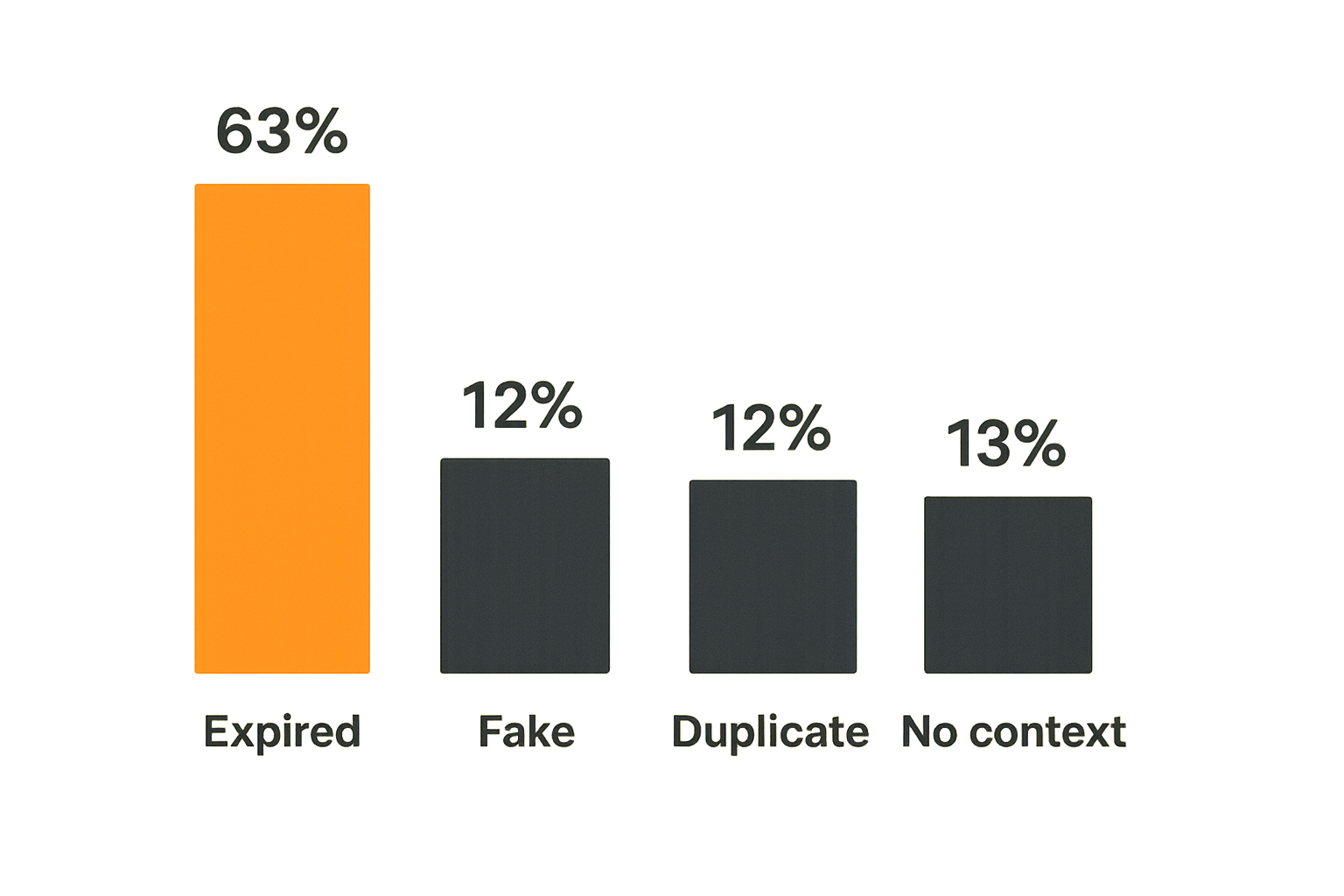
The most common failure mode is recycling. A link works, gets shared, expires, then keeps circulating because people repost from screenshots. New players see engagement and assume the reward is live. The group then wastes time retesting the same dead link.
The fix is not yelling at people to search first. The fix is making status visible. Pin the current confirmed rewards. Archive expired ones. Add dates to every post. If your platform supports edits, update the original post title with expired when it dies.
Screenshots remove context
Screenshots are useful proof, but weak source material. They often remove the original link, date, account eligibility, and source path. A screenshot of a reward popup proves that someone received something at some point. It does not prove that the reward is still claimable.
What works is pairing screenshots with context:
- Screenshot of reward result
- Link or code used
- Claim time
- Device or platform if relevant
- Whether the account had claimed similar rewards before
What fails is posting a cropped reward image with the caption new code and no source.
Support problems look like code problems
Sometimes the reward is real and the user still cannot claim it. App version, browser redirect, region, account state, connection issues, and already-claimed status can all look like code failure.
This is why your community should avoid binary labels too early. Fake and expired are not the only outcomes. Use working for some accounts when evidence is mixed. Use needs more tests when the sample size is small.
A better failure table looks like this:
| Symptom | Possible cause | Next step |
|---|---|---|
| Link opens app but no reward | Already claimed or account not eligible | Ask another account to test |
| Link opens browser only | Redirect issue | Try default browser or update app |
| Code field rejects input | Expired or wrong portal | Confirm official redemption path |
| Reward shown but not added | Sync delay or account issue | Restart app and check history |
| Page asks for login details | Unsafe source | Stop and mark risky |
What works for deal hunters in 2026
Keep one canonical thread
A canonical thread is the single place your group uses for current Monopoly GO reward codes. It does not have to be fancy. It can be a pinned chat post, a shared doc, a forum thread, or a small tracker. The important part is that everyone knows where the current status lives.
Structure it like this:
- Confirmed working today
- Working for some accounts
- Needs testing
- Expired
- Risky or fake
That changes the conversation. Instead of asking if anyone has the link again, members check the current board. Instead of debating every repost from scratch, they update the status.
Reward contributors who verify
In any deal community, the best contributors are not always the people who post the most. They are the people who verify, add context, and clean up after a reward expires. Encourage that behavior.
If your group has moderators, give trusted testers permission to update statuses. If your group is informal, still call out useful reports. A comment like tested at 10:05, worked on Android, 25 dice is more valuable than five untested reposts.
Practical rule: Treat verification as the contribution, not just discovery. The person who confirms a reward saves everyone else time.
Separate rumors from confirmed rewards
Rumors are not useless. They can point you toward upcoming promotions, partner drops, or event-related rewards. But rumors should not sit beside confirmed Monopoly GO reward codes without labels.
Use separate buckets:
- Confirmed: claimed by at least one tester with details
- Likely: source appears credible but no claim yet
- Rumor: unverified mention without proof
- Unsafe: suspicious path or credential request
This small taxonomy prevents hype from becoming misinformation. It also makes the community more welcoming for budget-conscious players who do not want to chase every noisy post.
Where c0upons.com fits in the savings workflow
Coupon habits transfer to game rewards
Good coupon hunting and good reward hunting use the same muscles. You check the source. You test before sharing. You track expiration. You compare the outcome against real spend. You avoid fake scarcity and miracle claims.
The difference is the redemption surface. Coupons usually fail at checkout. Monopoly GO reward codes usually fail at claim, redirect, eligibility, or expiration. The operating habit is still the same: do not confuse finding a code with getting value from it.
Share store deals and code evidence
For normal shopping, evidence matters just as much. A working coupon code should come with merchant context, minimum spend, category exclusions, expiration details, and whether it stacked with other offers. That is why community submission flows matter. If you find a real shopping discount while comparing game-related gift card or platform offers, you can submit a coupon or deal to c0upons so other shoppers get the benefit with context.
This is the practical bridge between game reward hunting and coupon hunting. The best communities do not just collect codes. They collect outcomes.
Use community checks for better signal
c0upons.com is not trying to turn Monopoly GO into a spreadsheet hobby. The point is simpler: when people share discounts, reward links, and deal notes with verification, everyone spends less time on dead ends.
For online shoppers, that means fewer checkout failures. For game reward hunters, it means fewer expired Monopoly GO reward codes. For communities, it means trust compounds instead of eroding.
Final checklist for Monopoly GO reward codes
Daily workflow
Use this checklist when you are actively hunting Monopoly GO reward codes:
- Check official channels and in-game messages first.
- Review your canonical community thread before searching elsewhere.
- Put new links or codes into an unverified bucket.
- Test once on a prepared account and device.
- Record time, source, reward, and result.
- Ask for a second confirmation if eligibility is unclear.
- Move the reward to confirmed, partial, expired, or risky.
- Remove or archive expired links quickly.
This is not complicated, but it does require discipline. The reward hunters who win are not the ones who click everything. They are the ones who reduce noise.
Red flags
Skip or quarantine any reward source that shows these signs:
- Promises unlimited dice or hacked rewards
- Requires your password or social login outside an official path
- Forces survey completion before showing the reward
- Uses old screenshots with no timestamp
- Reposts links without source or claim result
- Claims every failed user did something wrong
- Pushes urgency without verifiable proof
The mistake teams make is giving borderline sources too many chances. If a source repeatedly posts dead links or unsafe flows, stop treating it as neutral. Mark it low trust and move on.
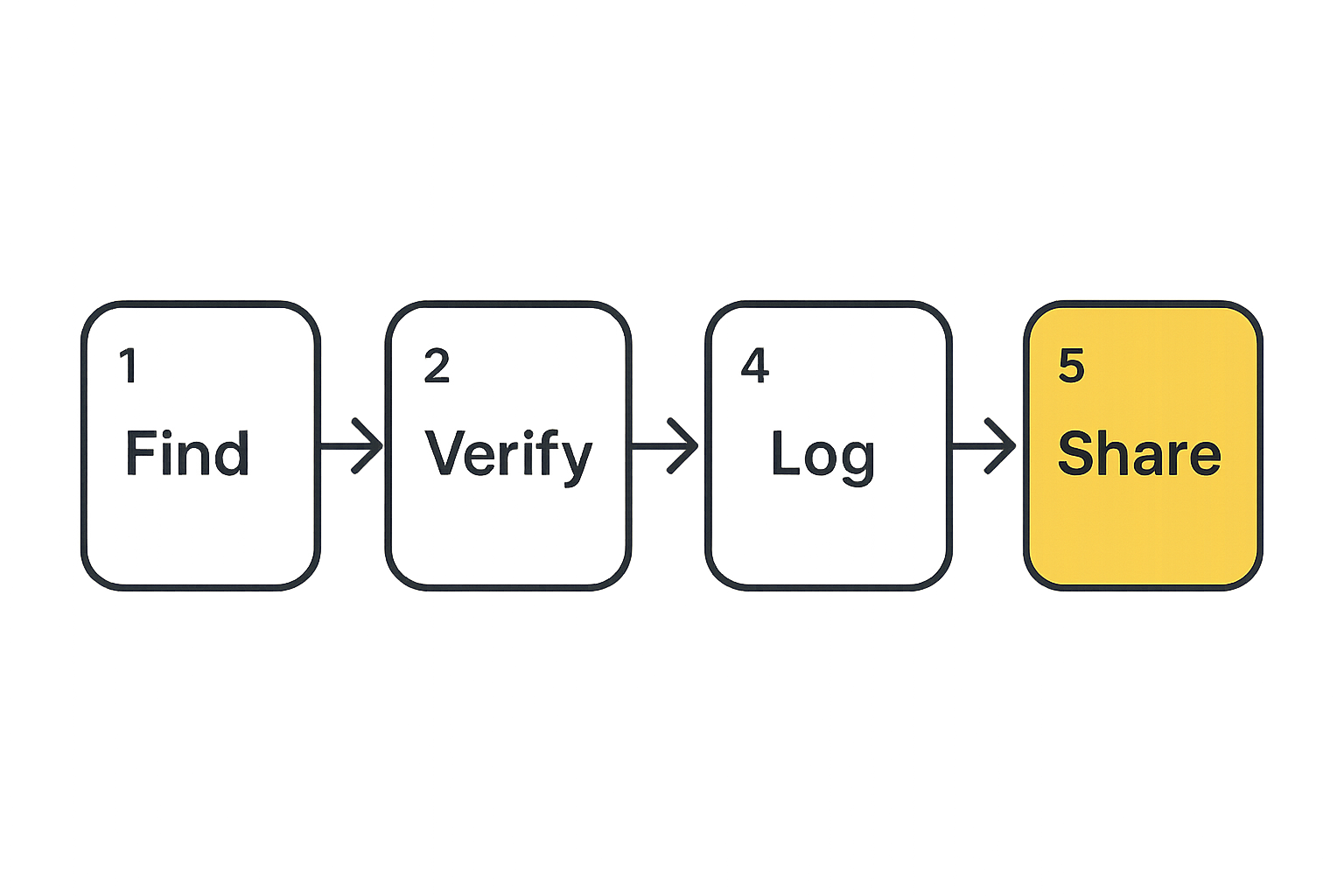
Monopoly GO reward codes can be useful, but only when they are handled like a real savings workflow. Source, verify, claim, log, and share with context. That is how deal hunters protect their time, their accounts, and their communities in 2026.
Try c0upons.com
c0upons.com helps online shoppers find practical ways to save money with coupon codes, promo codes, sales, and deal roundups. For verified shopping deals and community savings habits beyond Monopoly GO reward codes, Try c0upons.com.